Mauritian Culture: People, Religion, Language and Traditions
Mauritius is often called a rainbow nation. People whose families came from India, Africa, China and Europe live side by side and share festivals, food and a gentle, welcoming way of life. Knowing a little about this mix makes your trip richer and your visits to temples, markets and villages more meaningful.
A multicultural island
Mauritius had no native population. Its people descend from French settlers, enslaved Africans and Malagasy, labourers from India, and traders from China. Roughly half of the population is Hindu, about a third is Christian and a sixth is Muslim, with smaller Buddhist and other communities. Temples, churches, mosques and pagodas often stand in the same town.
Language
Creole is the everyday language and the one you will hear in markets and on the street. English is the official language for government and business, and French is widely used in the media and in schools. Most people in the tourism industry speak English and French, and many switch between all three in one conversation.
Food as culture
Mauritian cuisine mirrors the population, blending Indian curries, Chinese noodles, African and French creole dishes. Street food such as dholl puri and boulettes is part of daily life. See our food guide.
Music and festivals
Sega music and dance are the island’s soul, and festivals such as Divali, Maha Shivaratri, Cavadee, Eid and Chinese New Year are celebrated by everyone. Read about sega and the cultural events through the year.
Etiquette tips
- Dress modestly when visiting temples, mosques and churches, and remove your shoes where asked.
- Ask before photographing people or religious ceremonies.
- Be polite and patient. Mauritians value courtesy.
- Accept an offer of tea or food with thanks, and tip modestly for good service.
How the mix came about
Mauritius had no native people. The Dutch, then the French, brought enslaved people from Madagascar and Africa to work on the land. After slavery was abolished, the British brought indentured workers, mainly from India. Chinese traders arrived in the 19th century, and French settlers stayed on as landowners. Over two centuries these groups mixed, creating a society where several cultures live side by side.
Mauritian Creole
Creole, based mainly on French with words from Malagasy, Indian languages and English, is spoken by almost everyone. A few words go a long way:
- Bonzour – hello
- Mersi – thank you
- Ki manyer? – how are you?
- Korek – fine, OK
Daily life
Family is at the centre of Mauritian life. Weekends often mean picnics on public beaches, with large groups sharing food and music. Markets are busy in the mornings, and many Mauritians start work early and finish early. Shops close on Sunday afternoons in many towns.
How to experience local culture
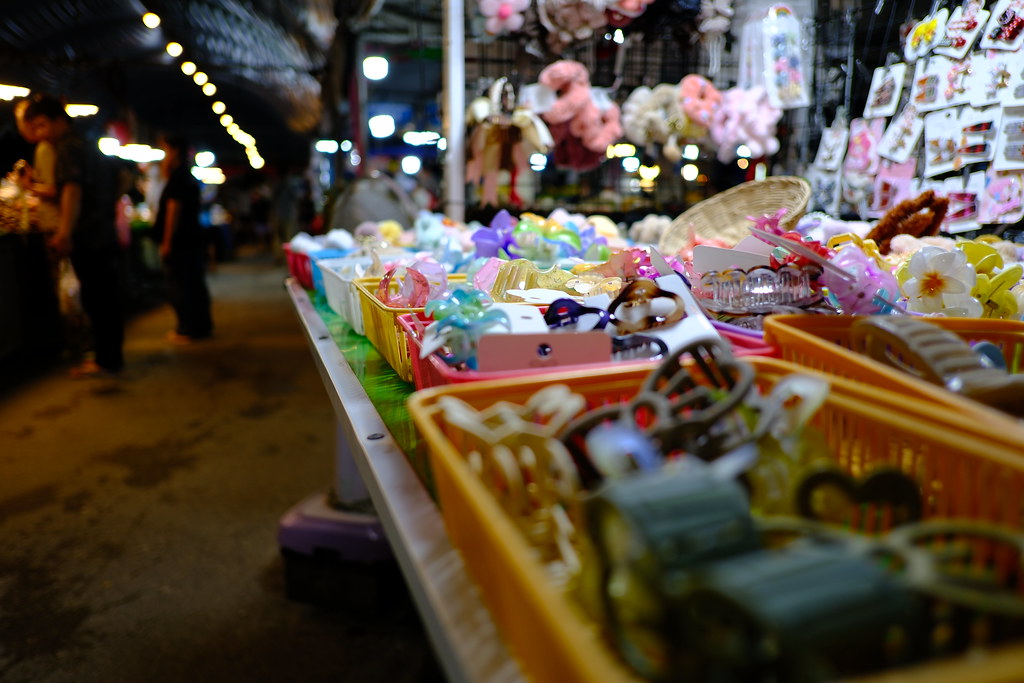
- Visit a market in Port Louis, Mahebourg or Quatre Bornes.
- Eat street food: dholl puri, gateaux piments and alouda.
- Watch a sega performance.
- Visit a temple, mosque or church respectfully.
Book it with Plan Mauritius
These experiences can be booked through us, with transfers added if you need them:
- Special Events & Festivals in Mauritius – festivals and events
- Shopping in Mauritius – markets and shopping
Frequently asked questions
What language should I speak?
English and French are widely understood in tourist areas. A few words of Creole, such as bonzour for hello, will bring smiles.
Is Mauritius a religious country?
Yes, religion is important, and you will see many temples, churches and mosques, as well as public celebrations.
What should I wear to a temple?
Cover your shoulders and knees, and take off your shoes before entering.
Is English widely spoken?
Yes. English is the official language of government and education, and most people in tourism speak English and French.
Is tipping expected?
Not compulsory, but appreciated. Around 5 to 10 percent in restaurants, or rounding up for drivers and guides.
Want this planned around your dates?
Tell us when you are travelling and who is coming. We will build a day-by-day plan with hotels, transfers and activities, and send you a clear price.
Plan my tripTalk to our team