Best Diving Sites in Mauritius: Where to Dive and When
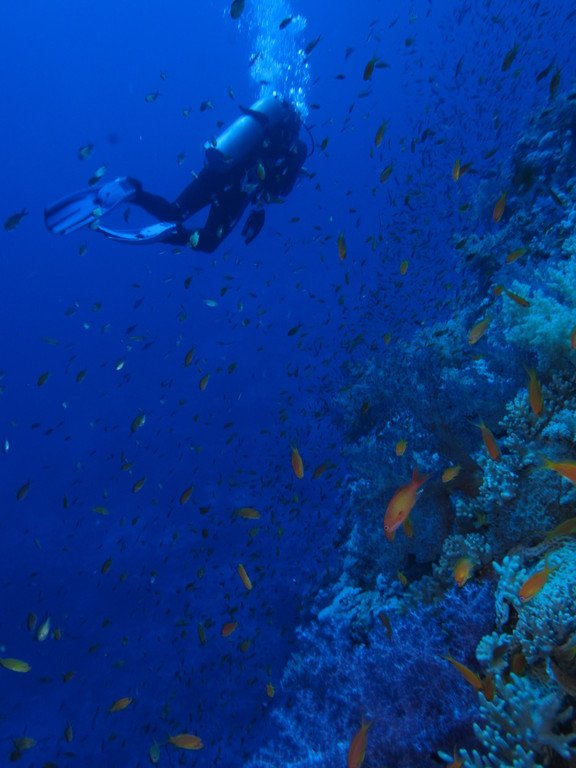
Mauritius offers warm water, a barrier reef, walls, caves, wrecks and rich marine life, all within a short boat ride from the coast. Whether you are a beginner or an experienced diver, you will find something memorable below the surface.
Why dive in Mauritius?
The island is surrounded by a fringing reef, which creates calm lagoons for snorkellers and deeper outer reef dives for certified divers. You can see turtles, rays, reef fish, moray eels, octopus and, with luck, dolphins on the boat ride. The diving is year-round, with different highlights in different seasons.
The west coast: Flic en Flac and Tamarin
The west is the sheltered, sunny side of the island and has some of the best-known dive sites. Dive centres often visit sites such as the Cathedral, a cavern with shafts of light, Whale Rock and Colorado, where rock formations create canyons and swim-throughs. Wrecks and walls add variety. It is a good choice in the cooler months when the east is windy.
The north: Coin de Mire and Grand Baie
The north has clear water, easy boat access and great variety. Dives around Coin de Mire offer drop-offs, gullies and plenty of fish, and the area is popular for both beginners and experienced divers. It is also the starting point for many snorkelling cruises.
The south and south-east
The south coast is wilder and more exposed, with strong currents at times, and is better suited to experienced divers. In the south-east, Blue Bay Marine Park is a protected area with beautiful shallow coral, ideal for snorkelling and gentle dives.
Best time to dive
Diving is possible all year. Visibility is often at its best from September to December, and April and May are usually calm. In the cooler months, the west and north are more sheltered than the east and south. Your dive centre will choose the best site for the day.
Tips for divers
- Choose a centre affiliated with PADI or CMAS, with well-maintained equipment and small groups.
- Bring your certification card and logbook, and tell the centre your experience level.
- Do not fly for at least 18 to 24 hours after your last dive.
- Take care not to touch the coral or disturb marine life.
- Consider a thin wetsuit in winter, when the water is cooler.
If you are new to diving, start with a Discover Scuba session, then continue to a full course. See our guide to diving courses in Mauritius.
Book it with Plan Mauritius
These experiences can be booked through us, with transfers added if you need them:
- Scuba Diving – Ocean Spirit – scuba diving with Ocean Spirit
- Blue Safari Submarine – Trou aux Biches – Blue Safari submarine for non-divers
Frequently asked questions
Is Mauritius good for beginner divers?
Yes. There are calm, shallow sites and many centres offering introductory dives and courses.
What will I see underwater?
Turtles, rays, moray eels, octopus, colourful reef fish and healthy coral. Some sites also have caves, arches and wrecks.
Do I need a wetsuit?
A thin wetsuit is usually enough, but you may want a thicker one in winter or if you feel the cold.
Can I go diving after flying?
Yes, but do not fly for at least 18 to 24 hours after your last dive.
Want this planned around your dates?
Tell us when you are travelling and who is coming. We will build a day-by-day plan with hotels, transfers and activities, and send you a clear price.
Plan my tripTalk to our team