Ecotourism in Mauritius: Responsible Ways to Explore Nature
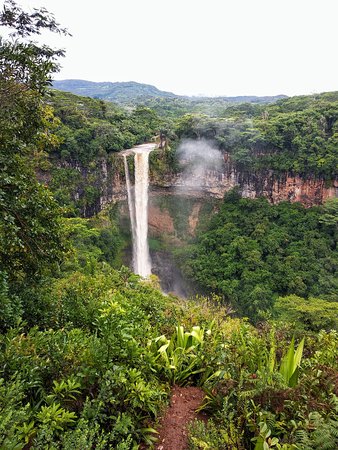
Mauritius is a global biodiversity hotspot, with plants and animals found nowhere else. Ecotourism helps protect them. Visiting reserves and conservation projects supports the people who look after the island’s wildlife, and it is rewarding to see rare species and restored habitats.
Places to visit
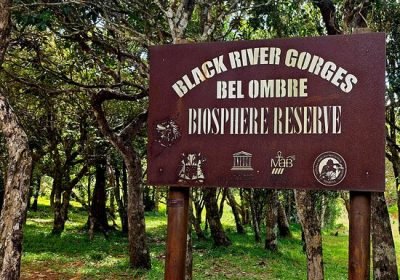
- Black River Gorges National Park: native forest and rare birds. See the guide.
- Ile aux Aigrettes: a restored island where you can see tortoises and pink pigeons. See our islets guide.
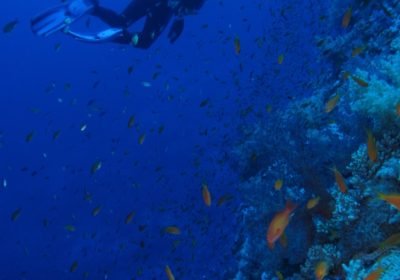
- Blue Bay Marine Park: protected coral and fish life. See the Blue Bay guide.
- Ebony Forest in Chamarel: a project restoring native forest.
Tips for responsible travel
- Use reef-safe sunscreen, and never touch or stand on coral.
- Stay on marked paths, and do not pick plants or feed animals.
- Choose small group tours with local guides.
- Avoid single-use plastic, and carry a refillable bottle.
- Buy local products from small producers.
Why Mauritius needs ecotourism
When people first settled on Mauritius in the 17th century, the island was covered in dense native forest and home to animals found nowhere else, including the dodo. Today only a small fraction of that native forest survives. Conservation groups such as the Mauritian Wildlife Foundation have brought several species back from the edge of extinction, including the Mauritius kestrel, the pink pigeon and the echo parakeet. Choosing tours that support this work helps keep it going.
Eco-friendly experiences to try
- Guided forest walks in Black River Gorges or the Bel Ombre reserve, where guides explain native plants and conservation.
- Kayaking on the Tamarin River or the Le Morne lagoon, quiet and engine-free.
- Snorkelling in the marine parks of Blue Bay and Balaclava, where coral and fish are protected.
- E-bike tours through the wild south, away from busy roads.
- Visits to restored islets such as Ile aux Aigrettes, where native forest has been replanted.
Staying responsibly
Many hotels in Mauritius now run reef-friendly and plastic-reduction programmes, use solar water heating and source food locally. When you choose a hotel, ask about their environmental practices, and try to eat in local restaurants and buy crafts from local makers, so more of your money stays on the island.
Protecting the lagoon
- Use reef-safe sunscreen and put it on well before swimming.
- Never stand on or touch coral.
- Do not feed fish or collect shells and coral.
- Choose boat operators who follow the dolphin code of conduct.
Book it with Plan Mauritius
These experiences can be booked through us, with transfers added if you need them:
- Two Waterfalls Walking Trail – Bel Ombre Nature Reserve – Two Waterfalls trail with the Mauritian Wildlife Foundation
- Kayaking on the Tamarin River – Day, Sunrise & Sunset
- Wild South E-Bike Adventure
- Glass Bottom Boat – Blue Bay Marine Park – glass-bottom boat in Blue Bay Marine Park
Frequently asked questions
What is special about nature in Mauritius?
Many species are endemic, found only on the island, and conservation has saved several from extinction.
How can I help?
Visit reserves, follow the rules and choose responsible operators.
Is it suitable for children?
Yes, many guided visits are family friendly.
Which animals are unique to Mauritius?
Endemic species include the pink pigeon, the Mauritius kestrel, the echo parakeet and several reptiles and plants found nowhere else.
Are dolphin swims eco-friendly?
They can be, if the operator keeps a respectful distance, limits time with each pod and never chases the dolphins. Ask us for operators who follow the code of conduct.
What is the best eco-friendly activity for families?
A guided walk in the national park or a kayak trip on the calm Tamarin River.
Want this planned around your dates?
Tell us when you are travelling and who is coming. We will build a day-by-day plan with hotels, transfers and activities, and send you a clear price.
Plan my tripTalk to our team