Best Time to Visit Mauritius: A Month-by-Month Guide
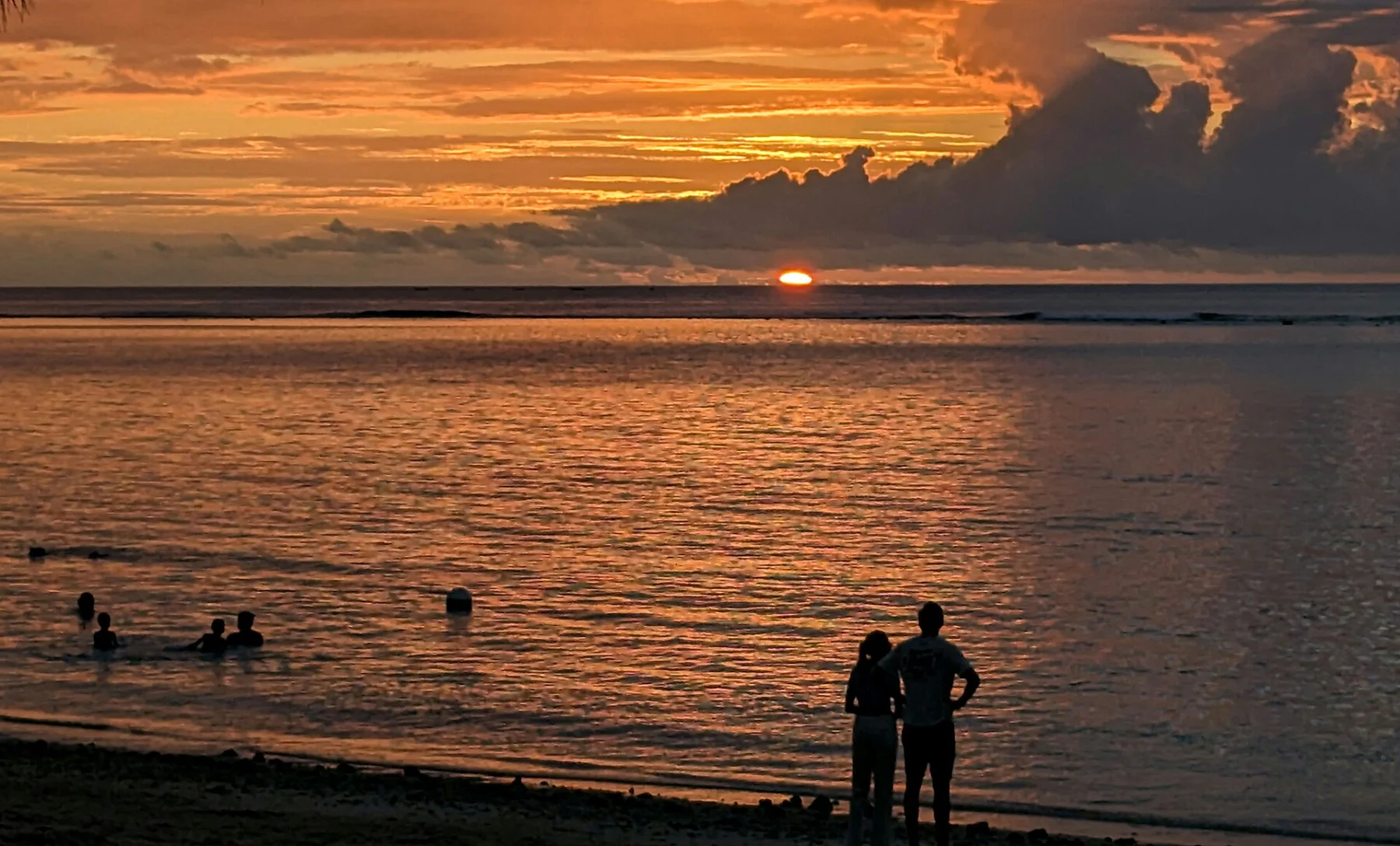
Mauritius is a year-round island, but the experience changes a lot from month to month. Winter (May to October) is dry, breezy and comfortable. Summer (November to April) is hot, humid and bright, with warmer water and a bigger chance of rain. This guide breaks it down so you can choose the right month for your plans, not just the safest one.
The short answer
If you can choose freely, go in September, October or November, or in April and May. The weather is settled, the sea is pleasant, the crowds are thinner than at Christmas and hotel prices are fair. These are the shoulder months, and they give you the best balance of comfort and value.
If your dates are fixed by school holidays or work, do not worry. Every month works if you know what to expect.
Mauritius seasons at a glance
Summer: November to April
Expect coastal highs of about 29 to 32°C, high humidity and sea temperatures around 27 to 29°C. Days start bright, with short, heavy showers in the afternoon that pass quickly. This is also the official cyclone season, although serious storms are rare in any given year.
Winter: May to October
Highs on the coast sit around 24 to 27°C, with cooler evenings of 18 to 20°C. The air is drier, the south-east trade winds blow steadily and the sea cools to about 23 to 25°C. It never gets cold, but you will want a light layer at night.
The central plateau around Curepipe is several degrees cooler than the coast and gets rain in every month. Pack a light rain jacket if you plan to visit Trou aux Cerfs or the Black River Gorges.
Month-by-month guide
Use this table as a quick reference. Temperatures are typical coastal figures and will vary by region and year.
| Month | Weather | Sea | Crowds and prices | Great for |
|---|---|---|---|---|
| January | Hot, humid, heavy showers | About 28°C | Quiet after New Year, lower prices | Warm lagoon swims, value stays |
| February | Hottest and wettest period | About 29°C | Low | Budget trips, lush scenery |
| March | Hot, still rainy | About 28°C | Low to medium | Snorkelling in warm water |
| April | Rain easing, less humid | About 27°C | Medium | All-round good month |
| May | Dry, mild and sunny | About 26°C | Medium | Hiking, diving, good value |
| June | Cooler and breezy | About 25°C | Medium | Surfing, kitesurfing, sightseeing |
| July | Coolest, windier in the south and east | About 24°C | High, school holidays | Hiking, west coast beaches |
| August | Cool, dry, breezy | About 24°C | High | Sightseeing, dolphin trips |
| September | Dry and warming up | About 24 to 25°C | Medium | Best balance of weather and price |
| October | Driest and sunny | About 25°C | Medium | Diving, beaches, everything |
| November | Warm and sunny, humidity rising | About 26°C | Medium | Beach days before the peak rush |
| December | Hot, first showers, festive | About 27°C | Very high at Christmas and New Year | Festive trips, book early |
Best time for what you want to do
Swimming and beach days
The water is warmest from December to April, but September to November gives you warm water with less humidity and less rain. That makes it the sweet spot for pure beach holidays.
Snorkelling and diving
Conditions are good for most of the year. Visibility is often best in the drier months, roughly September to December, and April and May are usually calm. Strong winter winds can make the south and east coasts rough, so ask your dive centre which side is sheltered on the day.
Hiking and nature
Choose May to October. Trails in the Black River Gorges and on Le Pouce are cooler and drier, and morning views are clearer.
Kitesurfing and surfing
The winter trade winds, roughly June to September, bring the best conditions. Le Morne is the main kitesurfing area, and the south-west has the best surf breaks.
Honeymoons and romantic trips
September to November and April to May give you calm weather, golden evenings and fewer families at the resort.
Budget travel
January to March has the lowest hotel rates, but you are trading price for heat, humidity and a higher chance of rain. Travel insurance that covers weather disruption is a smart idea.
Which coast to choose by season
In winter the south-east trade winds make the north and west coasts the calmest and sunniest. The east and south are beautiful but breezier, with a livelier sea. In summer every coast is warm, though the east and south get more showers.
Not sure which side suits you? Our guide on where to stay in Mauritius compares each region in detail.
Peak, shoulder and low season
- Peak: mid-December to early January, plus Easter and the July to August holiday period. Highest prices, fullest flights and hotels.
- Shoulder: April to June and September to November. Best weather for the price.
- Low: January to March after the New Year rush. Cheapest, but hottest and wettest.
For peak dates, book flights and hotels four to six months ahead. Resort rates change often, so ask us for current prices for your exact dates.
What about cyclones?
The cyclone season officially runs from November to April, with the highest risk between January and March. Mauritius has an effective warning system, hotels are built to cope and most visits are only affected by a few days of heavy rain. If you travel in these months, choose flexible bookings and take travel insurance.
Sea temperature, sunshine and rain by month
These are typical averages for the coast. The central plateau is cooler and wetter, and the east and south are breezier than the north and west.
| Month | Air (day / night) | Sea | Sunshine | Rainy days |
|---|---|---|---|---|
| January | 30 / 23°C | 27-28°C | 7-8 hrs | High |
| February | 30 / 23°C | 28-29°C | 7 hrs | Highest |
| March | 30 / 23°C | 28°C | 7 hrs | High |
| April | 29 / 22°C | 27°C | 7-8 hrs | Medium |
| May | 27 / 20°C | 26°C | 7 hrs | Medium to low |
| June | 25 / 18°C | 25°C | 7 hrs | Low to medium |
| July | 24 / 17°C | 24°C | 7 hrs | Low to medium |
| August | 24 / 17°C | 24°C | 7-8 hrs | Low |
| September | 25 / 18°C | 24°C | 8 hrs | Low |
| October | 27 / 19°C | 25°C | 9 hrs | Lowest |
| November | 28 / 21°C | 26°C | 9 hrs | Low |
| December | 29 / 22°C | 27°C | 8 hrs | Medium |
Figures are rounded averages to help you compare months; real conditions vary from year to year.
Wildlife calendar
- Humpback whales: roughly June to October, when they pass the west coast. August and September are often the best months.
- Sperm whales: can be seen all year further offshore.
- Dolphins: spinner and bottlenose dolphins live off the west coast all year; early mornings are best.
- Big game fish: marlin season runs roughly from October to April, peaking in the hottest months.
- Giant water lilies: the flowers at Pamplemousses garden bloom mostly from December to April.
Festivals by month
Several Mauritian festivals follow lunar calendars, so dates move each year. Use this as a guide and check the exact dates for your trip.
- January or February: Chinese Spring Festival, Thaipoosam Cavadee.
- 1 February: Abolition of Slavery Day, with sega concerts.
- February or March: Maha Shivaratri, the pilgrimage to Grand Bassin.
- March: Holi; Independence Day on 12 March.
- March or April: Ugadi.
- Varies with the moon: Eid al-Fitr at the end of Ramadan.
- 9 September: Père Laval pilgrimage to Sainte-Croix.
- October or November: Divali, the festival of lights.
- December: Christmas and New Year, the busiest time for hotels.
Best time to visit Mauritius from India
Mauritius is one of the easiest beach destinations for Indian travellers: direct flights from Mumbai, Delhi, Chennai and Bengaluru take around six to eight hours, and Indian passport holders get a free visa on arrival for tourist stays (check current rules before you travel).
- October and November: warm, dry and sunny, often with good hotel offers. Divali in Mauritius is a beautiful bonus.
- April to June: Indian summer school holidays fall here, and Mauritius is pleasantly warm without the heat of an Indian summer. Book early for May and June.
- December: very popular for honeymoons and family trips, so prices are highest. Plan three to six months ahead.
- January to March: the best value, but expect heat, humidity and some rain.
Our packages from India, such as the Magical Mauritius package at Tarisa, include airport transfers, breakfast and dinner, and sightseeing.
Mauritius, Maldives or Seychelles: whose season is when?
- Mauritius: best from May to December, with the hottest and wettest period from January to March.
- Maldives: driest from December to April; the south-west monsoon brings more rain from May to October.
- Seychelles: calmest in April, May, October and November, between the two trade-wind seasons.
So if you are travelling in July or August, Mauritius is usually the better choice of the three, while for February and March the Maldives tends to be drier.
How far ahead should you book?
- Christmas, New Year and Easter: four to six months ahead.
- July and August, and Indian summer holidays: three to four months ahead.
- Shoulder months: six to eight weeks is usually enough, and late offers are common.
Book it with Plan Mauritius
These experiences can be booked through us, with transfers added if you need them:
- Honeymoon Package Mauritius
- Family Package Mauritius
- Couple Package Mauritius
- Magical Mauritius – Tarisa Resort & Spa (October 2026) – Magical Mauritius at Tarisa
Frequently asked questions
Is June a good time to visit Mauritius?
Yes. June is cool, dry and less crowded than July and August, with pleasant days around 25°C. The sea is cooler, so choose a resort on the sheltered north or west coast.
Is December a good time to visit Mauritius?
December is warm and festive, with the sea around 27°C, but it is the most expensive and busiest month, especially from mid-December. Showers become more frequent towards the end of the month.
What is the best month for a honeymoon in Mauritius?
October and November are ideal: dry, sunny, warm and before the Christmas rush. May and September are also excellent.
When is the rainy season in Mauritius?
The wetter season runs from about December to April, with the most rain in January and February. Showers are usually short and heavy, followed by sunshine.
Is October a good time to visit Mauritius?
October is one of the best months: it is usually the driest and sunniest of the year, the sea is warming up and prices are below peak levels.
What is the cheapest month to visit Mauritius?
January to March usually has the lowest hotel prices because of the heat, humidity and cyclone risk. April to June, outside holiday weeks, is the next best value and has much better weather.
Which month has the most rain?
January and February are usually the wettest. Rain tends to arrive in short, heavy bursts rather than lasting all day, so you still get plenty of sunshine.
Is August a good time to visit Mauritius?
Yes. It is cool, dry and breezy, which is great for sightseeing, hiking and dolphin trips. The sea is cooler at around 24°C, and the west coast is the most sheltered. It is a busy month, so book early.
Can I swim in Mauritius all year?
Yes. Even in winter the sea stays around 23 to 25°C, and most resorts have heated or sheltered pools if you prefer them.
How many days do I need in Mauritius?
Most travellers enjoy 7 to 10 days. Our relaxed seven-day itinerary is a good starting point.
Can Plan Mauritius find the best month for my budget?
Yes. Tell us your dates and budget and we will compare hotel offers across the season.
Want this planned around your dates?
Tell us when you are travelling and who is coming. We will build a day-by-day plan with hotels, transfers and activities, and send you a clear price.
Plan my tripTalk to our team