History of Mauritius: From the Dutch to Independence

Mauritius was uninhabited until the 1600s, yet it has seen three colonial powers, the arrival of people from four continents and an extraordinary journey to independence. This short timeline gives you the key moments, so the places you visit make more sense.
Before settlement
Arab and Portuguese sailors knew the island from the Middle Ages and 16th century, but no one settled. The Dutch arrived in 1598 and named it Mauritius after Prince Maurice of Nassau. They established a first, short-lived settlement in 1638 and introduced sugar cane and deer.
French period (1715 to 1810)
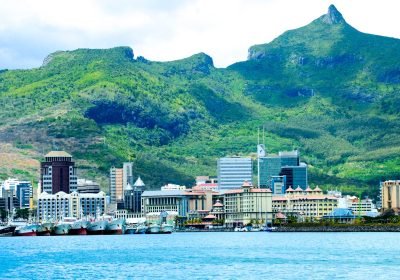
The French took the island in 1715 and called it Isle de France. Governor Mahe de La Bourdonnais, who arrived in 1735, founded Port Louis and built roads, a harbour and the first sugar mills. Enslaved people from Africa and Madagascar worked the plantations.
British rule (1810 to 1968)
The British captured the island in 1810, after the French victory at Grand Port and defeat soon after. Slavery was abolished in 1835. From 1834, labourers from India arrived to work in the sugar fields, and Chinese traders settled in the towns. The population became the multicultural society we see today.
Independence
Mauritius became independent on 12 March 1968 and a republic on 12 March 1992. It has since developed into a stable democracy with a diversified economy that includes tourism, textiles, financial services and technology.
Where to see this history
- Port Louis: the capital and its museums. See our Port Louis guide.
- Aapravasi Ghat: the story of indentured labour. Read the guide.
- Mahebourg: the Battle of Grand Port. See the museum guide.
- Le Morne: the maroon heritage. See Le Morne.
Key dates at a glance
- Around 10th century: Arab sailors are believed to have known the island.
- Early 1500s: Portuguese sailors visit but do not settle.
- 1598: the Dutch land and name the island after Prince Maurice of Nassau.
- 1638 to 1710: Dutch settlement; the dodo becomes extinct.
- 1715: France claims the island as Isle de France.
- 1735: Governor Mahé de La Bourdonnais founds Port Louis.
- 1810: Battle of Grand Port, then the British capture the island.
- 1835: slavery is abolished; indentured labour begins.
- 1968: independence on 12 March.
- 1992: Mauritius becomes a republic.
Modern Mauritius
Since independence, Mauritius has moved from a sugar economy to one based on tourism, textiles, financial services and technology. It is known as one of the most stable democracies in Africa, with free elections and a high standard of living compared with its region.
See the history for yourself
- Aapravasi Ghat and Le Morne, the two UNESCO sites.
- The Naval Museum in Mahebourg, for the Battle of Grand Port.
- Fort Adelaide in Port Louis.
- Colonial houses such as Eureka and Château de Labourdonnais.
Book it with Plan Mauritius
These experiences can be booked through us, with transfers added if you need them:
Frequently asked questions
Who discovered Mauritius?
Arab and Portuguese sailors knew of it, but the Dutch were the first to settle, in 1638.
When did Mauritius become independent?
On 12 March 1968, from British rule.
Why are there so many cultures?
Because people were brought or came from Africa, Madagascar, India and China, and joined European settlers.
Where does the name Mauritius come from?
The Dutch named it after Prince Maurice of Nassau in 1598.
What was Mauritius called under the French?
Isle de France.
Want this planned around your dates?
Tell us when you are travelling and who is coming. We will build a day-by-day plan with hotels, transfers and activities, and send you a clear price.
Plan my tripTalk to our team